

Riders in Athens share Prince Avenue, Atlanta Highway, and the Loop with drivers who may not see a motorcycle until it is close. Georgia sets specific rules for what a rider must wear, and those rules can come up after a crash. The answers below cover what the statute says and how it can affect a claim.
Does Georgia Require Motorcycle Riders to Wear Headgear?
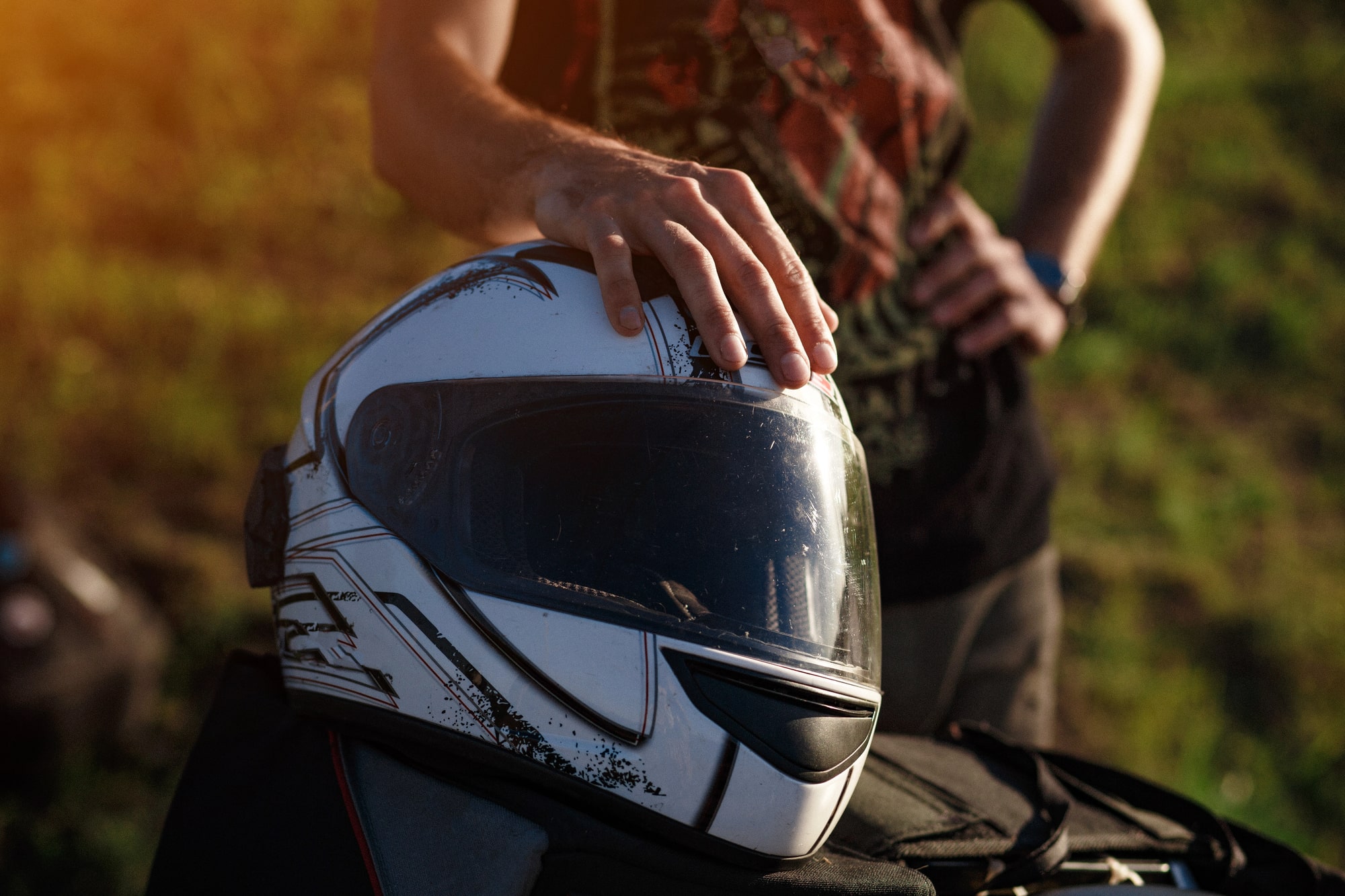
Yes. O.C.G.A. 40-6-315 says no person may operate or ride on a motorcycle without protective headgear that complies with standards set by the commissioner of public safety.
The rule covers the operator and any passenger. It applies on public roads across the state, so a ride from Athens to Watkinsville follows the same requirement as a ride across town.
Do Riders Need Eye Protection?
A rider whose motorcycle has no windshield must wear an eye-protective device of a type approved by the commissioner. Goggles or a face shield can satisfy that requirement when they meet the approved standard.
A motorcycle with a windshield does not trigger the eye-protection rule, though some riders wear glasses anyway. Debris and insects at highway speed can distract a rider long enough to cause a wreck. Pairing the right gear with motorcycle safety basics lowers that risk.
Which Riders Are Exempt From the Headgear Rule?
The statute lists two exemptions. Riders in an enclosed cab or on a motorized cart fall outside it, and so does an operator of a three-wheeled motorcycle that is used only on a farm.
Everyone else on a standard motorcycle falls under the rule. Riders unsure whether a particular vehicle qualifies should confirm that before assuming an exemption applies to them.
Can Missing Headgear Hurt an Injury Claim?
An insurer may argue that a head injury would have been less severe with headgear, and it may fold that argument into a broader claim about the rider's share of fault. Georgia reduces an award by the plaintiff's percentage of responsibility, and a rider found 50 percent or more responsible recovers nothing.
That argument does not erase the other driver's conduct. A driver who made an unsafe left turn or followed too closely still answers for the share a jury assigns, which is why a rider should understand motorcycle crash law before an adjuster asks for a statement.
What Should Riders Do After a Crash?
Seek medical care first, even when injuries seem minor, since symptoms from a head or spine injury can surface days later. Then gather what the scene still offers:
- Photographs of the motorcycle, the road, and any gear worn
- Names and phone numbers for anyone who saw the crash
- The responding officer's name and report number
- The helmet itself, kept in its post-crash condition
Keep the damaged gear rather than replacing it. Evidence of how the equipment performed can matter when an insurer questions the rider's role in the injury, and motorcycle accident basics outline what else to preserve.
Which Mistakes Hurt a Rider's Claim?
Among motorcycle rider mistakes, giving a recorded statement too early does the greatest damage, since adjusters listen for any hint that the rider shared blame. Posting about the crash online and skipping follow-up care can hurt a claim as well.
Posting about the crash online causes similar trouble. A photo of a rider smiling at a gathering can be offered as proof that injuries were minor, so a rider is better off staying quiet on social media until the claim ends. Preparing for insurance company conversations in advance keeps recorded statements from hurting the claim.
How Can an Athens Rider Get Help After a Crash?
An Athens motorcycle accident lawyer can review the police report, the gear worn, and the other driver's account to see where the fault percentages may land. That review works best when it starts before the insurer takes a recorded statement.
Insurers begin building a fault argument soon after a motorcycle crash. Riders hurt on local roads can get in touch with Norris Peacock Injury Law, where John R. Autry joined the team after five years as counsel at Coles Barton LLP, and talk through what happened.